Ежелгі Тараз

Urban planning and architecture

Pages

Babadja-khatun
27.12.2025

Babadja-khatun

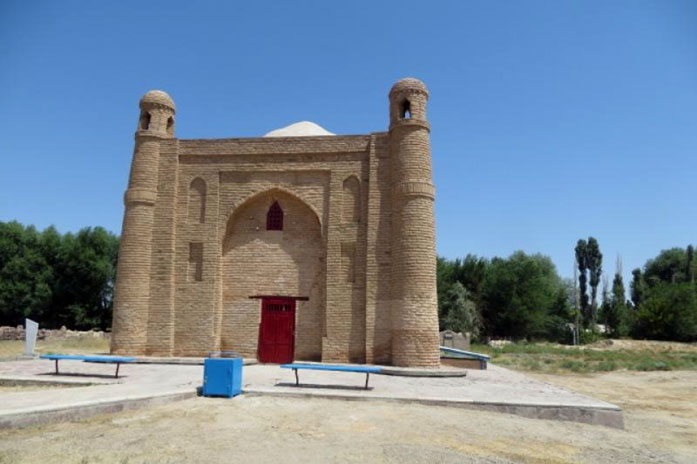
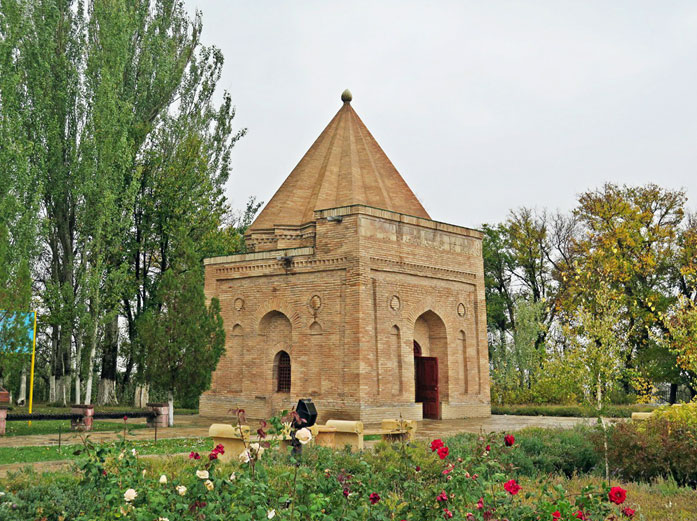
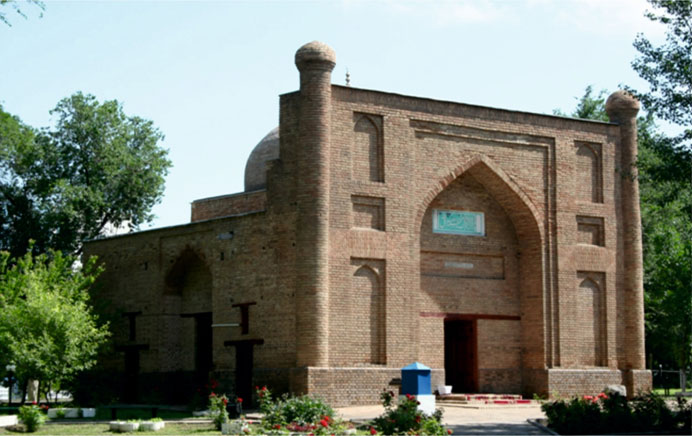
Its neighbouring mausoleum is that of Babadja-khatun (11th century). It is simple in structure and composition, constructed from baked bricks. No decoration is featured on the walls, though architectural details are accentuated in places in an uncomplicated manner. A cone-shaped dome with sixteen facets, set on a prism-shaped base, lends harmony and symmetry to the mausoleum. Its main facade bears the remainder of an Arabic-lettered inscription: ‘This grand tomb is named Babadja-khatun. Its buil

Learn more
Tekturmas Mausoleum
27.12.2025

Tekturmas Mausoleum

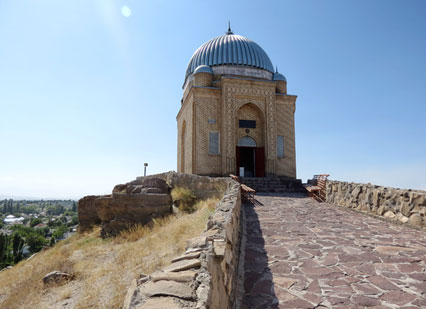
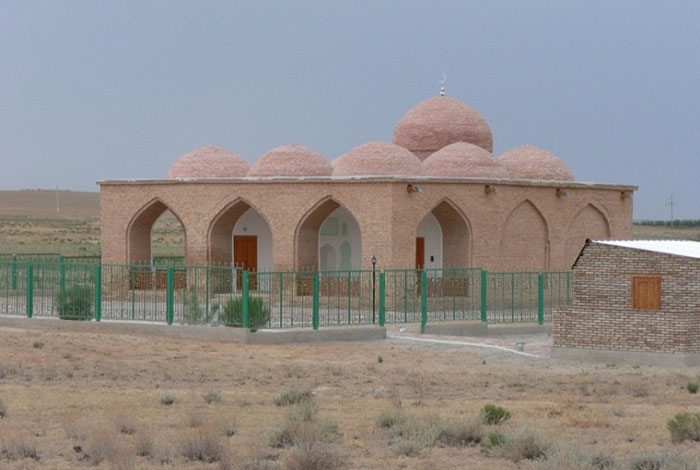
The Tekturmas Mausoleum was built in the 14th century on the right bank of the River Talas. Zoroastrian (a religion founded by the Persian prophet ‘Zoroaster’ in the late 7th or early 6th centuries BC), Muslim and Christian cemeteries can all be found on top of the hills here, while an ancient underground passage can be found at the base of the hills; a stone bridge could be found across the River Talas at one point but only a few fragments of this remain. In the 1930s, many historical and cultu

Learn more
Nametbay Mosque 1887, 1897
27.12.2025

Nametbay Mosque 1887, 1897

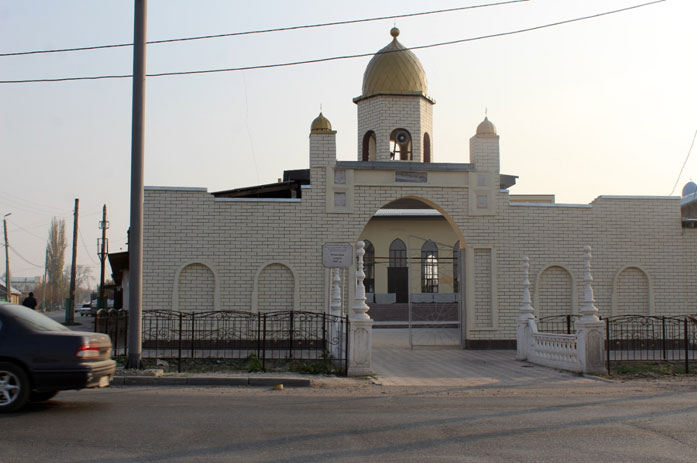
The mosque is located in the city of Taraz at the intersection of Tashkent-Baizak Batyr streets, in the old densely built-up quarter. The courtyard complex of the mosque was formed by the end of 1897, it includes a number of premises used for madrassas, darethana, living rooms. The mosque is named for the builder - Nametbai, who donated funds for the construction of the mosque. In the 30s of the twentieth century, as a state property, the mosque was used only as a warehouse for household needs.

Learn more
Mosque of Abdukadir beginning of XX century
27.12.2025

Mosque of Abdukadir beginning of XX century

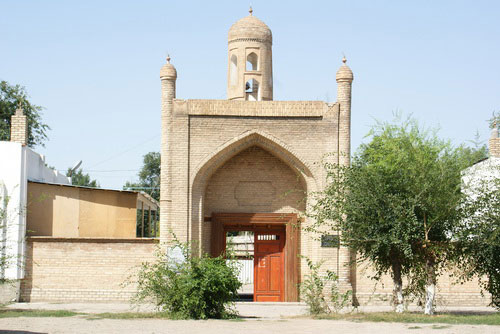
Abdukadir Mosque is located at the intersection of modern Abay and Koshenyi Streets. The Abdukadir mosque was built at the beginning of the 20th century, previously it was part of the madrasah, which is a traditional courtyard complex with religious and household buildings. In the early 1920s, the complex was dismantled into bricks, only a part of the entrance portal of the mosque has survived to this day. Until the 1920s  the main imam of this mosque was Altynkhan - tore, widely known to the Mu

Learn more
Mosque of Abdullah Ishan beginning of the twentieth century
27.12.2025

Mosque of Abdullah Ishan beginning of the twentieth century

One of the significant historical and cultural monuments in the Zhambyl region, belonging to the category of architectural art, is the Abdullah Ishan Mosque located in the center of the village of Usharal (7 Yeshtaybek Street), Talas district. The construction of the mosque began in the 19th century, when  priests arrived in Auliye-Ata district, who began to build mosques and madrassas. Locals helped with the construction of the mosque, which was built by 1900. The construction organizer was th

Learn more
Karakozha mosque beginning of the twentieth century
27.12.2025

Karakozha mosque beginning of the twentieth century

The Karakozha mosque is located on the outskirts of the village of Seilbek, Talas district, in an open, flat area. The mosque was built at the expense of local residents and bears the name of the religious preacher of Islam Karakozha Ishan. Karakozha Ishan was buried in a necropolis on the outskirts of the village, and his descendants now serve as imams in mosques located in the villages of Talas district.

Learn more
Aisha-bibi Mausoleum
27.12.2025

Aisha-bibi Mausoleum

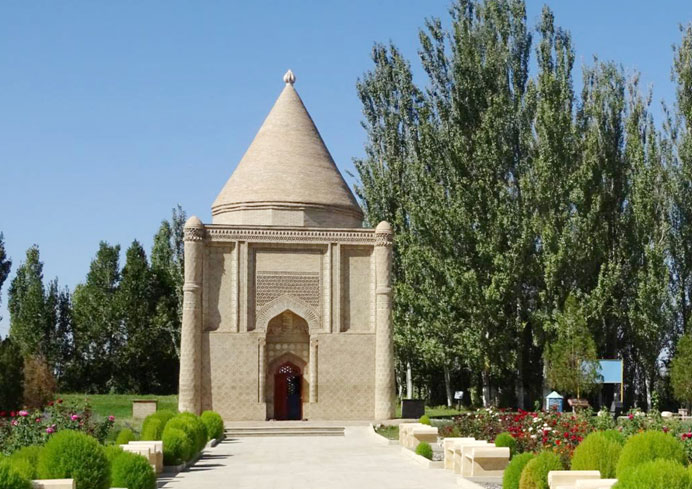
Utterly unique is the 11th to 12th century Aisha-bibi Mausoleum, found in the village of the same name in Zhambyl Province, 17km from Taraz. Every visitor to the region should be compelled to visit this masterpiece of medieval architecture, a ‘holy place’ revered in the Muslim world. Only one original wall from the west facade and small fragments from other parts of the mausoleum were preserved over the many centuries since its construction. The revival of the monument was discussed at length by

Learn more
Masolei Shokay Datka XVIII century
27.12.2025

Masolei Shokay Datka XVIII century

The Shokai Datka Mausoleum is located in the Sarysu district on the eastern outskirts of the village of Saudakent, in the old cemetery - the former necropolis of the medieval city of Saudakent. The mausoleum is a characteristic type of monumental religious buildings that has developed in the Shu-Talas region. The mausoleum was examined in 1946 by G.I. Patsevich, in 1970-1980 - specialists of the expedition of the Ministry of Culture of the Kazakh SSR and Kazproektrestavatsiya. In 2000, it was e

Learn more
Auliye-Ata mosque (Yunusbay) 1913
27.12.2025

Auliye-Ata mosque (Yunusbay) 1913

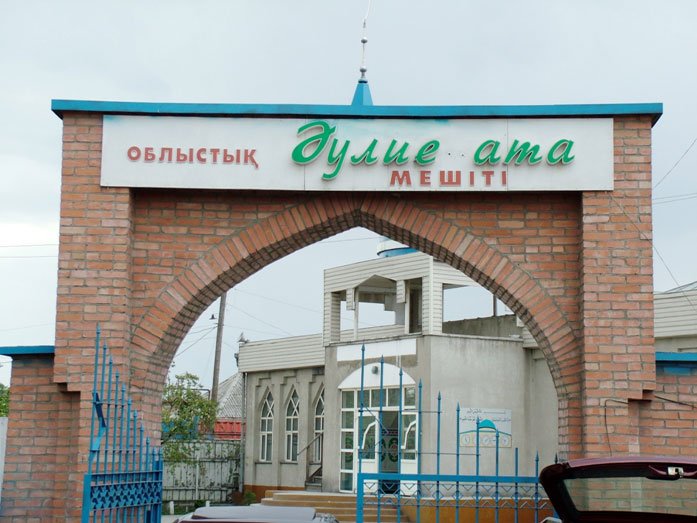
The Auliye-Ata mosque is located near the historical core of the city of Taraz, along Adambaev Street No. 24. The mosque was built in 1913 at the expense of the local merchant Kali Yunus, according to archival data, his surname Mayusupov (Maysupbaev), born in 1854) and the master Seydoll Kozhan. The name of the mosque was given by the inhabitants of the city according to the name of the medieval mausoleum of Karakhan located nearby - “Aulie-Ata” (Holy Elder). Kali Yunus remained forever in the m

Learn more
Karakhan Mausoleum
27.12.2025

Karakhan Mausoleum

The Karakhan Mausoleum (11th-12th century), also known as ‘Aulie-ata’ (‘sacred father’), is situated in the central part of Taraz (on the intersection of Tole bi and Baizak batyr Street), and was part of the religious memorial complex which took shape on the territory of the medieval rabad. It is thought to have been built on the grave of one of the representatives of the Karakhanid dynasty – Shakh Mahmud Karakhan. Unfortunately, the names of the mausoleum’s builders have been lost over the cent

Learn more
Dautbek Mausoleum
27.12.2025

Dautbek Mausoleum

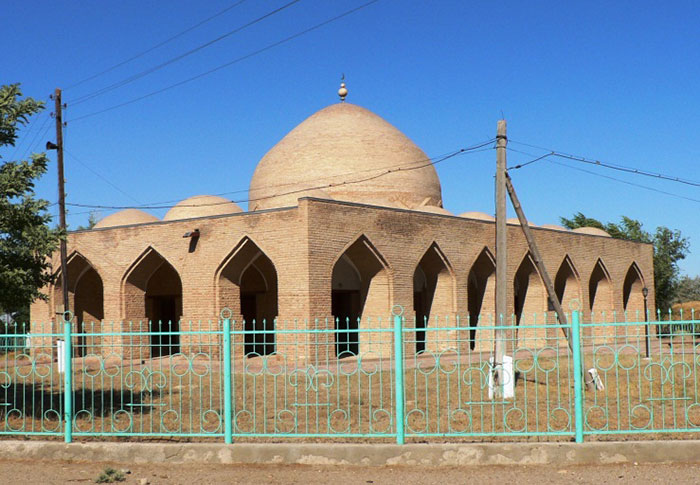
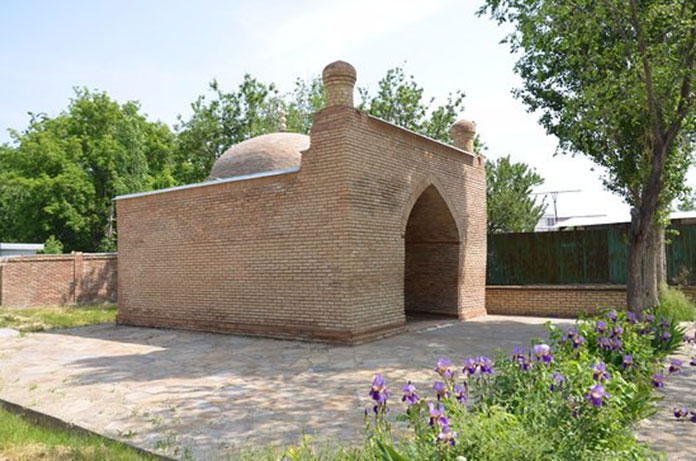
Of the monuments dating from subsequent centuries, linked with the gradual decline of Taraz under the onslaught of numerous enemies, the Dautbek Mausoleum (13th century) has been preserved to this day. The full name of the buried was Ulug-Bilge Ikbal-khan Dautbek Shamansur. The mausoleum originally resembled a marquee – four semicircular arches supporting a dome. The arches rested on a crushed stone foundation. The mausoleum acquired its modern-day appearance at the end of the 19th century, wh

Learn more